After a professional massage, you may immediately notice that your body feels more relaxed, your muscles feel less tense, and movement feels easier. But one common question many people have is: How long do the benefits of a massage actually last?
There is no single answer that applies to everyone. The effects of massage can vary depending on the type of massage you receive, your activity level, daily stress, muscle tension, lifestyle, and how regularly you schedule massage therapy.
For some people, the feeling of relaxation may last for several days. Others may notice improvements in muscle comfort and mobility for longer. Regular professional massage combined with healthy daily habits can help you maintain the benefits between appointments.
Let’s look at what affects how long massage benefits last and what you can do to get more from every session.
What Happens to Your Body After a Massage?
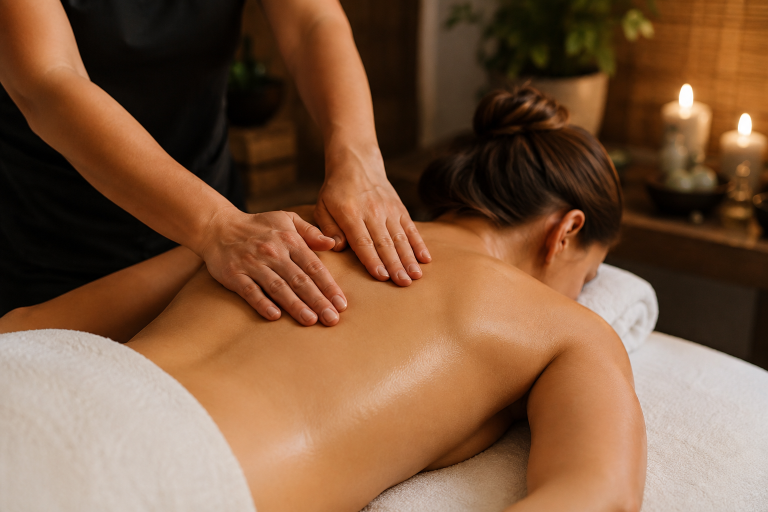
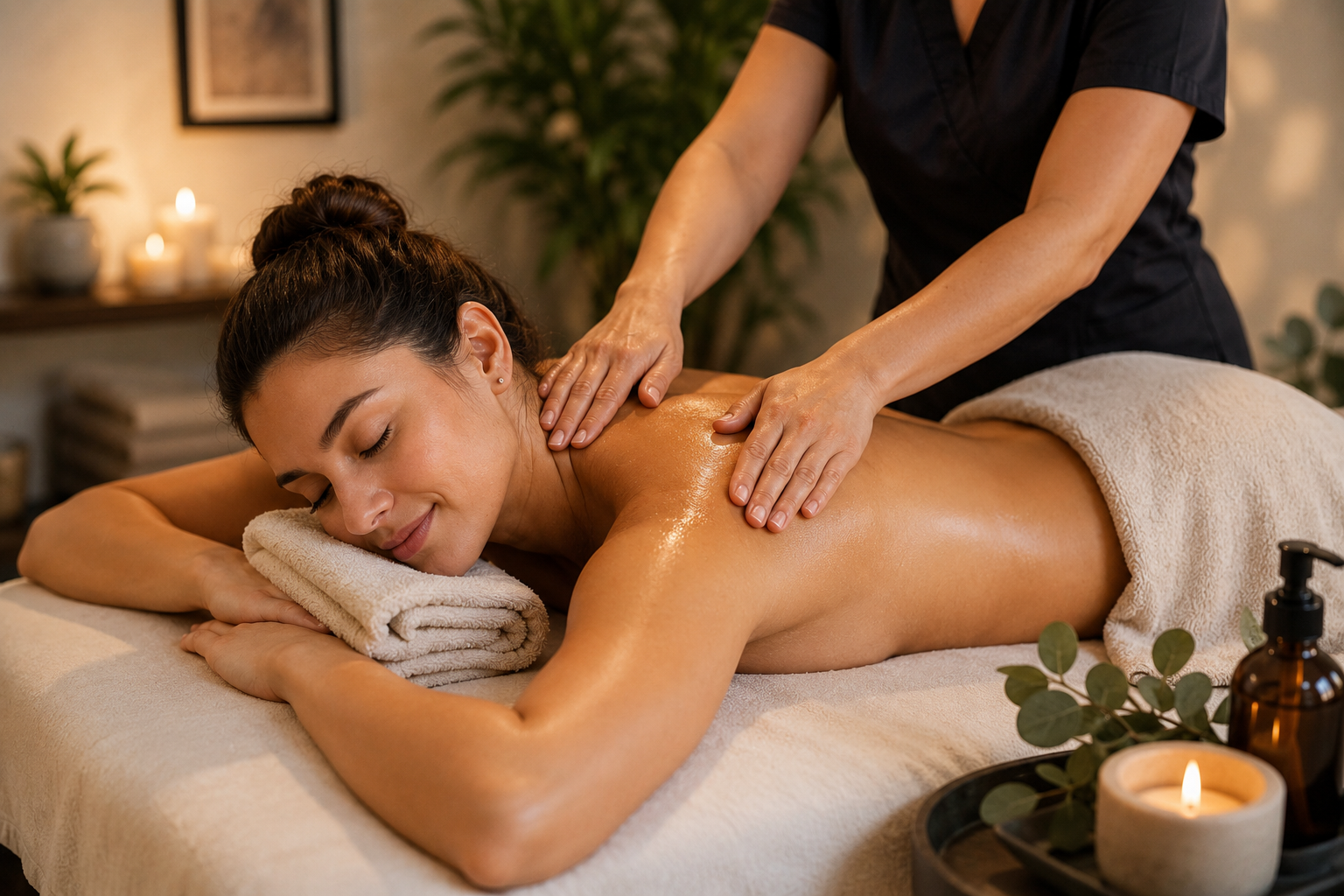
During a professional massage, a therapist works with your muscles and soft tissues using different techniques and levels of pressure based on your individual needs.
After a massage, many people notice:
- Reduced feelings of muscle tension
- Improved mobility
- Less stiffness
- A greater sense of relaxation
- Improved overall comfort
- A general sense of well-being
Some effects may be noticeable immediately, while others may become more apparent later in the day or over the following days.
How Long Do Massage Benefits Usually Last?
Some benefits, such as relaxation, can be felt immediately after your appointment. Other effects may continue for several days or potentially longer depending on your body and lifestyle.
Several factors influence how long you continue to feel the benefits, including:
- Type of massage
- Amount of pressure used
- Existing muscle tension
- Physical activity
- Work demands
- Stress levels
- Sleep and recovery
- Frequency of massage sessions
For example, someone who spends eight hours a day sitting at a computer may notice neck and shoulder tension returning sooner than someone whose daily routine includes frequent movement and stretching.
1. The Type of Massage Matters
Different massage techniques are designed for different goals.
Relaxation Massage
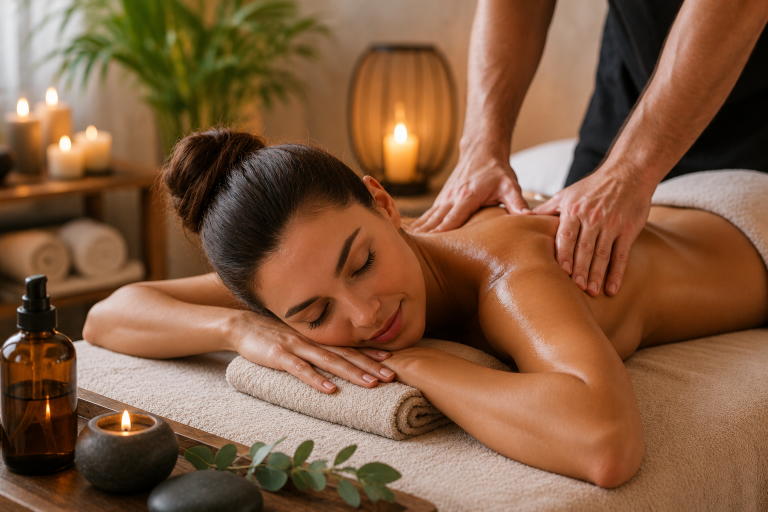
A relaxation-focused massage is designed primarily to help you unwind and reduce everyday physical tension.
The relaxed feeling may continue for hours or days depending on your stress level and what you do after your appointment.
Deep Tissue Massage
Deep Tissue Massage focuses on deeper layers of muscles and connective tissue and is often used for areas with persistent tension.
Some clients experience temporary tenderness after a deep tissue session before noticing improved comfort and mobility.
How long these benefits last depends partly on how quickly daily activities begin placing stress on the same muscles again.
Sports Massage
Sports Massage is often incorporated into the wellness and recovery routines of physically active people.
The duration of its benefits can depend significantly on your training schedule. Returning to intense workouts shortly after your appointment naturally places new demands on the muscles.
2. Your Lifestyle Affects How Long the Results Last
Even a great massage cannot completely offset habits that continually create new muscle tension.
Factors such as:
- Sitting for long periods
- Poor posture
- Physically demanding work
- Repetitive movements
- Intense workouts
- High levels of daily stress
may cause tightness to return more quickly.
This is why massage often works best as part of a broader wellness routine rather than as an occasional response to significant tension.
3. Regular Massage Can Help Maintain the Benefits
One massage can leave you feeling wonderful, but regular appointments can provide more consistent care for your body.
If you always wait until your muscles feel extremely tight before scheduling another session, your therapist may repeatedly need to address accumulated tension.
A consistent massage schedule can help you manage that tension before it becomes as noticeable.
How Often Should You Get a Massage?
There is no universal massage schedule that is right for everyone.
How often you schedule a massage can depend on:
- Your wellness goals
- Physical activity level
- Occupation
- Stress level
- Type of massage
- Your body’s individual response
Some people choose a massage approximately once a month for general relaxation and wellness.
People with physically demanding lifestyles, frequent workouts, or recurring muscle tension may prefer appointments more often.
A professional massage therapist can help you determine a schedule based on your individual needs and goals.
How Can You Make Massage Benefits Last Longer?
What you do between appointments can influence how your body feels.
Stay Hydrated
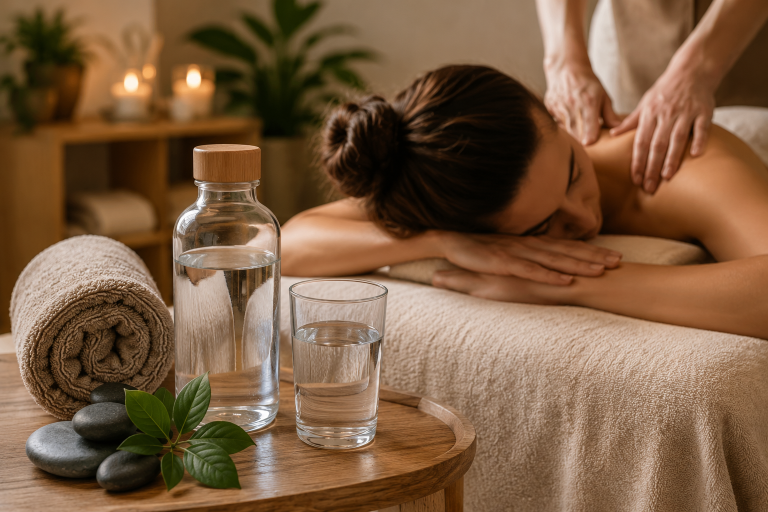
Maintaining normal hydration supports healthy muscle function and overall wellness.
You don’t need to drink excessive amounts of water immediately after a massage. Simply maintain healthy hydration throughout your day.
Keep Moving
Regular light movement can help prevent your body from remaining in the same position for too long.
Walking, gentle stretching, and taking movement breaks during the workday can all support mobility between massage appointments.
Pay Attention to Your Posture
If you frequently experience neck, shoulder, or back tension, your workstation may be contributing to the problem.
Pay attention to the position of your:
- Monitor
- Chair
- Keyboard
- Shoulders
- Back
Small ergonomic improvements may help reduce how quickly tension returns after a massage.
Prioritize Rest and Recovery
Quality sleep and sufficient recovery are important for healthy muscle function.
If your body is constantly under physical or mental stress without enough recovery time, the benefits of wellness treatments may feel shorter-lived.
Consider Stretch Therapy
Massage and Stretch Therapy can complement each other as part of a broader wellness routine.
Massage can focus on muscle tension, while controlled stretching may help support flexibility and comfortable movement.
Why Does Muscle Tension Sometimes Return Quickly?
If you feel wonderful after your massage but your shoulders or back become tight again a few days later, consider what may be contributing to the tension.
Possible factors include:
- Your working position
- Long periods of sitting
- Repetitive movements
- Exercise or training
- Insufficient recovery
- Everyday stress
Massage can be an important part of your wellness routine, but combining professional treatments with healthy daily habits may provide a more sustainable approach to managing everyday muscle tension.
Should You Get a Massage Before You Feel Very Tight?
For many people, this can be a useful approach.
It’s common to schedule a massage only after significant stiffness or discomfort develops. However, regular wellness massage allows you to address tension before it becomes as noticeable.
This may be particularly useful for:
- Office workers
- Physically active individuals
- Athletes
- People with physically demanding jobs
- People experiencing high levels of everyday stress
- Frequent travelers or drivers
Massage doesn’t have to be something you schedule only when your muscles already feel extremely tight.
Signs It May Be Time for Your Next Massage
Your body can often give you clues that it may be time for another session.
You may notice:
- Your shoulders beginning to feel tight again
- Neck stiffness returning
- Muscles taking longer to feel comfortable after exercise
- Increased feelings of physical tension
- Reduced comfortable mobility
- Difficulty relaxing after a busy workday
You don’t necessarily need to wait until you’re extremely uncomfortable before scheduling your next massage.
Massage as Part of a Regular Wellness Routine
Massage isn’t only for moments when something hurts.
For many people, professional massage becomes part of a regular self-care and wellness routine alongside:
- Physical activity
- Quality sleep
- Healthy nutrition
- Proper hydration
- Stretching
- Stress management
A consistent, balanced approach can help you support your body between massage sessions and maintain a greater sense of overall well-being.
Why Choose Spa of Awakening?
At Spa of Awakening, every massage experience can be tailored to your individual needs and wellness goals.
Whether you’re looking to relax after a stressful week, address everyday muscle tightness, or support an active lifestyle, professional massage can become a valuable part of your wellness routine.
Services include:
- Deep Tissue Massage
- Therapeutic Massage
- Sports Massage
- Couples Massage
- Stretch Therapy
- Red Light Therapy
- Infrared Sauna
- Professional Facial Treatments
Make the Benefits of Massage Part of Your Lifestyle
So, how long do the benefits of a massage last? The answer is different for everyone. You may feel deeply relaxed immediately after your appointment, while improvements in comfort and mobility may continue over the following days.
The best way to support longer-lasting results is to combine professional massage with regular movement, adequate rest, healthy hydration, stretching, and other positive daily habits.
Rather than waiting until significant muscle tension returns, consider establishing a massage schedule that matches your body’s needs and lifestyle.
Learn more about massage and wellness services at Spa of Awakening or call (239) 384-9474 to schedule your appointment.