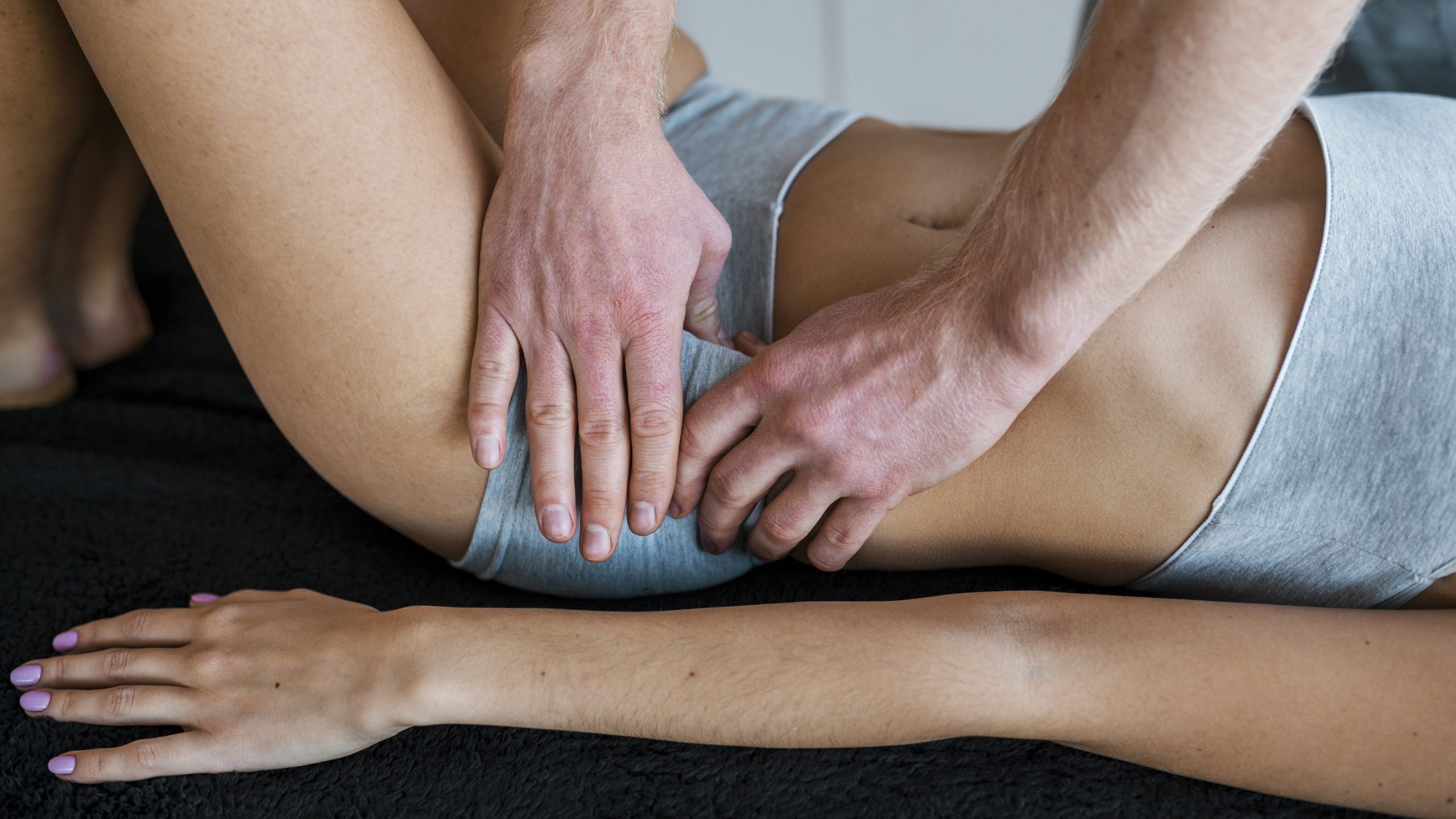
Sports massage is not only for professional athletes. Runners, golfers, tennis and pickleball players, cyclists, gym members, and anyone with a physically demanding routine may appreciate a massage focused on the muscles they use most.
Unlike a general relaxation massage, sports massage is adapted to your activity, training schedule, and areas of tension. It may be used before an event, after exercise, or between training sessions as part of a broader recovery routine.
At Spa of Awakening in Naples, FL, sports massage sessions are personalized for different activity levels and wellness goals. Here is how the treatment works, what it may offer, and how to decide whether it is right for you.
What Is Sports Massage?
Sports massage is a targeted form of bodywork designed around physical activity and the demands placed on the body.
A therapist may focus on specific areas instead of following the same full-body routine for every guest. The approach depends on the activity, timing of the appointment, pressure preference, and condition of the muscles.
A sports massage may incorporate:
- Targeted massage strokes
- Compression
- Assisted stretching
- Focused work on tight muscle groups
- Myofascial techniques
- Trigger-point techniques
- Gentle mobility work
- Firmer or lighter pressure depending on timing
Sports massage should be customized. A session before an athletic event should not feel the same as a longer recovery-focused appointment scheduled on a rest day.
Explore Sports Massage and other massage therapy services in Naples, FL.
How Can Sports Massage Support Recovery?
Sports massage cannot guarantee faster healing or prevent every injury. However, an appropriately timed session may support several practical recovery goals.
1. It May Ease the Feeling of Muscle Soreness
Muscles can feel sore or tight after unfamiliar movement, increased training volume, or intense physical activity.
Massage may help some people feel more comfortable after exercise by providing soothing pressure and helping tense areas relax. The response varies depending on the activity, massage intensity, and individual.
Sports massage does not “flush lactic acid” from the muscles. Lactate is processed by the body relatively quickly and is not the primary cause of soreness experienced one or two days after exercise.
Massage should be viewed as one part of recovery alongside:
- Adequate sleep
- Hydration
- Appropriate nutrition
- Gradual training progression
- Rest days
- Medical or rehabilitation care when needed
2. It Can Address Activity-Specific Tightness
Different activities place different demands on the body.
For example:
- Runners may request work on the calves, hips, or thighs
- Golfers may experience tension through the back, shoulders, and hips
- Tennis and pickleball players may focus on the shoulders, forearms, or legs
- Cyclists may notice tightness in the hips, lower back, or thighs
- Weightlifters may request attention to heavily trained muscle groups
- Swimmers may experience shoulder and upper-back tension
- Gardeners may notice soreness in the back, hips, shoulders, or forearms
A targeted session allows the therapist to spend more time on the areas most affected by your routine.
3. It May Help You Feel Less Stiff
Muscle tension can make movement feel restricted, particularly after repetitive activity or long periods in one position.
Massage and carefully selected stretching may help some guests feel looser and more comfortable. The goal is not to force the body into a greater range of motion but to support relaxed, controlled movement.
Persistent or worsening restriction may be related to an injury or medical condition and should be evaluated by an appropriate healthcare professional.
4. It Provides Time to Relax Between Training Sessions
Recovery is not only physical. Constant training, competition, work, and travel can leave people feeling mentally tired.
A sports massage provides dedicated time to slow down while still focusing on the body’s activity-related needs. Some guests appreciate this combination of targeted work and relaxation between workouts or events.
Massage should not be presented as a medical treatment for stress, anxiety, or sleep disorders, but many people find the experience calming.
5. It Can Increase Awareness of Tension Patterns
People do not always notice where they hold tension until an area is touched or moved during a massage.
A session may help you become more aware of:
- Differences between the left and right sides
- Areas that feel unusually tight
- Movements that cause discomfort
- Tension associated with posture
- Muscle groups repeatedly affected by an activity
A massage therapist cannot diagnose an injury. However, recognizing an unusual or recurring problem may encourage you to seek assessment from a doctor, physical therapist, or other qualified professional.
Sports Massage Before vs. After Exercise
The timing of a sports massage affects how the session should be approached.
| Timing | Primary goal | Typical approach |
|---|---|---|
| Before activity | Preparation and body awareness | Shorter, lighter, more stimulating |
| Soon after activity | Relaxation and cooling down | Gentle and comfortable |
| On a recovery day | Focused work on tight areas | More targeted and personalized |
| During regular training | Maintenance and relaxation | Based on current activity and soreness |
| Before a major event | Avoid unnecessary soreness | Familiar, conservative techniques |
| After an injury | Only with appropriate clearance | Modified according to professional guidance |
Sports Massage Before an Event
A pre-event massage is generally shorter and less intensive. Its purpose is not to perform deep corrective work immediately before competition.
Deep or unfamiliar massage shortly before an important event may leave some people tender or temporarily affect how their muscles feel.
If you want a massage before a race, tournament, or competition:
- Tell the therapist when your event begins
- Explain which activity you will perform
- Avoid trying aggressive techniques for the first time
- Request an approach appropriate for pre-event preparation
- Allow enough time afterward to hydrate and prepare
Schedule deeper, recovery-focused work on a different day.
Sports Massage After Exercise
After physical activity, the massage should match how your body feels. A gentle session may be appropriate when you are generally tired or mildly sore.
Do not receive intensive massage over an area that is:
- Acutely injured
- Significantly swollen
- Bruised
- Hot or red
- Sharply painful
- Unable to bear weight
- Associated with numbness or weakness
These signs may require medical assessment rather than massage.
Sports Massage vs. Deep Tissue Massage
Sports Massage and Deep Tissue Massage may use some similar techniques, but they are not identical.
| Sports Massage | Deep Tissue Massage |
|---|---|
| Planned around an activity or training goal | Focuses on deeper muscle tension |
| May be used before or after exercise | Usually scheduled as a focused standalone session |
| Pressure can range from light to firm | Commonly uses moderate to firm pressure |
| Often targets activity-specific muscle groups | Targets persistent knots and tight areas |
| May include stretching or mobility work | Usually emphasizes slow, concentrated pressure |
| Timing changes the treatment approach | Approach is less dependent on an athletic event |
Choose Sports Massage when the treatment should be planned around your activity or training schedule. Choose Deep Tissue Massage when your primary goal is focused, firm work on persistent muscle tension.
For another comparison, read How to Choose Between Signature Massage and Deep Tissue Massage.
Who Can Benefit From Sports Massage?
You do not need to compete professionally. Sports massage may appeal to:
- Runners and walkers
- Golfers
- Tennis and pickleball players
- Cyclists
- Swimmers
- Weightlifters
- Yoga and Pilates participants
- Recreational athletes
- People with physically demanding jobs
- Active older adults
- People returning gradually to activity with appropriate professional clearance
The session should reflect your current condition rather than the intensity level you believe an athlete is expected to tolerate.
What Sports Massage Does Not Do
To set realistic expectations, sports massage does not:
- Guarantee faster healing
- Repair a muscle or ligament tear
- Replace physical therapy
- Diagnose an injury
- Remove toxins from muscle tissue
- Eliminate all post-workout soreness
- Prevent every athletic injury
- Replace rest, sleep, hydration, or nutrition
Massage can be a supportive wellness service, but an injury requires appropriate assessment and treatment.
Does Sports Massage Have to Hurt?
No. Sports massage can be focused and firm, but it should not cause sharp, burning, or intolerable pain.
More pressure does not automatically produce better results. Excessive pressure may leave you sore or cause protective muscle tension.
During your session, tell the therapist if:
- The pressure feels too intense
- You experience sharp pain
- An area feels numb or unusually sensitive
- You need a position adjusted
- You would like more or less pressure
- You want a particular area avoided
Communication helps the therapist personalize the experience safely.
How to Prepare for a Sports Massage
Before your appointment:
- Hydrate normally
- Avoid a very heavy meal immediately beforehand
- Tell the therapist what activities you perform
- Explain when you last trained and when you will train again
- Identify the areas that feel tight or sore
- Mention previous or current injuries
- List relevant health conditions and medications
- Describe your pressure preference
- Wear comfortable clothing to and from the appointment
If you have a competition or major workout scheduled soon after the massage, make sure the therapist knows.
What to Do After Sports Massage
After your appointment:
- Drink water according to your normal needs
- Allow time to notice how your body responds
- Avoid immediately performing unfamiliar high-intensity activity
- Follow personalized instructions from your therapist
- Seek medical advice if pain is severe or worsening
- Continue supporting recovery with sleep, food, hydration, and appropriate rest
Temporary tenderness may occur after focused work, but significant pain, swelling, bruising, or neurological symptoms should not be ignored.
When Should You Avoid Sports Massage?
Sports massage may need to be postponed or modified if you have:
- Fever or an active illness
- A suspected acute injury
- Significant unexplained swelling
- Open wounds or a contagious skin condition
- Recent surgery without medical clearance
- A possible blood clot
- Severe or unexplained pain
- A fracture
- New numbness or weakness
Consult a healthcare professional if you are pregnant, take blood-thinning medication, have a cardiovascular condition, or are uncertain whether massage is appropriate.
Frequently Asked Questions
How often should athletes get a sports massage?
There is no universal schedule. Frequency depends on your activity level, goals, response to massage, training calendar, and budget. Some people book during heavy training periods, while others schedule occasional recovery sessions.
How soon after a workout can I get a sports massage?
This depends on the workout, your condition, and the intensity of the massage. Gentle work may be suitable after activity, while deeper work is often better scheduled on a recovery day.
Can I exercise after sports massage?
Light activity may feel comfortable for some people, but intense exercise immediately after deep, focused work may not be ideal. Ask your therapist based on the session you received.
Is sports massage only for athletes?
No. It may be helpful for anyone with an active lifestyle, repetitive physical routine, or activity-related muscle tightness.
Does sports massage remove lactic acid?
No. The body clears lactate naturally, and lactate is not the main cause of delayed soreness several days after exercise.
Can sports massage treat an injury?
Sports massage does not diagnose or repair injuries. If you suspect an injury, seek evaluation from an appropriate medical or rehabilitation professional before booking.
How long should a sports massage be?
The best duration depends on how many areas require attention and whether you want focused or more complete bodywork. Spa of Awakening currently offers several session lengths on its Massage Treatments page.
Can sports massage be combined with cupping?
Spa of Awakening offers Cupping Therapy as a massage enhancement and also lists Cupping-Sport Therapy Massage among its services. Suitability depends on your health, skin condition, preferences, and therapist’s assessment.
Book a Sports Massage in Naples, FL
Whether you play pickleball on weekends, train for local races, golf regularly, lift weights, swim, cycle, or simply want support for an active lifestyle, your massage should be adapted to your body and schedule.
Spa of Awakening offers Sports Massage for guests from Naples, Bonita Springs, Marco Island, Estero, Golden Gate, North Naples, and nearby Southwest Florida communities.
View our complete selection of massage services, explore current spa specials, or visit Spa of Awakening to plan your appointment.
Spa of Awakening
2500 Tamiami Trail N, Suite 109
Naples, FL 34103
Phone: (239) 384-9474
Call today to schedule a personalized Sports Massage in Naples, Florida.


